Plastic-lined steel pipes: Performance differences and application scenarios of PP, PE, PO, and F40 materials.
Plastic-lined steel pipes combine the mechanical strength of steel pipes with the corrosion resistance and hygiene properties of plastic linings, making them widely used in chemical, power, food, and municipal industries. However, the choice of lining material directly determines the applicable operating conditions and service life of the pipeline. PP, PE, PO, and F40 materials each have their own strengths, and choosing the wrong material often leads to premature pipeline failure.
PP (Polypropylene): A Leading Player in Medium-Temperature Industrial Corrosion Protection.
PP-lined pipes operate in a temperature range of -25℃ to 110℃, and can withstand hydrochloric acid below 36% concentration, nitric acid below 10% concentration, and various concentrations of alkaline and salt solutions. Except for strong oxidizing acids such as concentrated nitric acid and fuming sulfuric acid, it exhibits good corrosion resistance to most acid and alkali media, and its resistance to stress corrosion is superior to stainless steel. It is widely used in chemical plants for transporting acid, alkali, and salt media, and in metallurgical pickling solution pipelines. It can replace stainless steel pipes for transporting corrosive fluids at medium temperatures, and its service life is longer than rubber-lined pipes and fiberglass pipes. However, PP is not suitable for strong oxidizing acid media at high temperatures, which is a significant performance limitation.
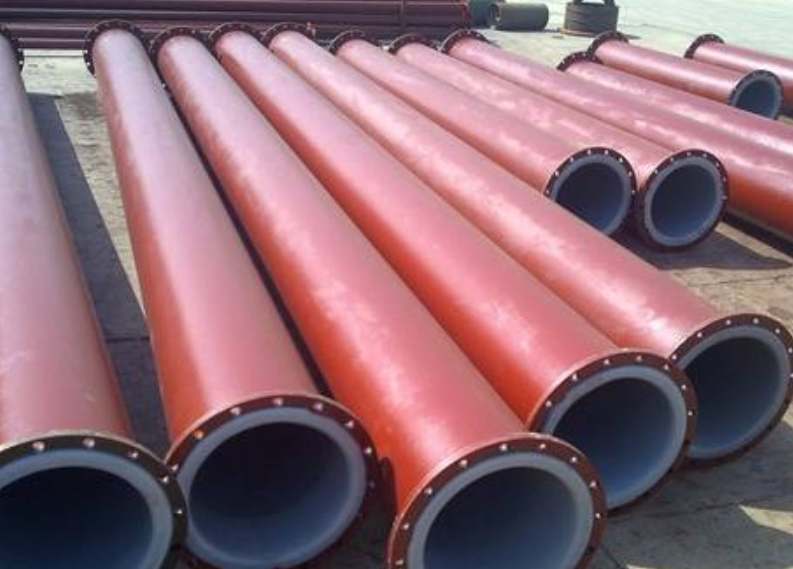
F40 (Fluoroplastic/ETFE): The "Ultimate Solution" for High Temperature and Strong Corrosion Resistance.
F40 is an ethylene-tetrafluoroethylene copolymer, with tetrafluoroethylene content exceeding three-quarters. It retains the excellent chemical stability of PTFE, operating stably within a temperature range of -60℃ to 180℃. It resists corrosion from almost all chemical media except molten alkali metals, including strong oxidizing media such as concentrated sulfuric acid and aqua regia. Its impact strength reaches 50MPa, twice that of PTFE, and it exhibits good adhesion to metal substrates, capable of withstanding negative pressure conditions. F40 lined pipes are an irreplaceable solution for transporting high-temperature slurries in power plant desulfurization and denitrification processes, ultrapure water pipelines in the semiconductor industry, and high-temperature, highly corrosive chemical media. However, its higher cost means it should only be used when other materials cannot meet the requirements.
PO (Polyolefin): A Versatile Performer with Wide Temperature Range and Comprehensive Performance
PO is a copolymer of ethylene, propylene, and butene, with an operating temperature range of -25℃ to 105℃ and a negative pressure resistance of up to 90KPa. It combines the corrosion resistance of ethylene and propylene, exhibits good resistance to common acids, alkalis, salts, and organic solvents, and demonstrates excellent impact resistance and aging resistance. PO's comprehensive balance makes it a versatile choice in various fields such as chemical, biological, power, pharmaceutical, food, and environmental protection. It can be used for transporting corrosive gases and liquids, as well as for slurry media pipelines. When the working conditions involve complex media and a wide temperature range, PO is often the most cost-effective and preferred choice.
PE (Polyethylene): The "Compliance Choice" for Food-Grade Sanitary Pipes.
PE-lined pipes typically operate from -25℃ to 75℃, with modified PE reaching up to 105℃. It meets food hygiene standards, does not affect water quality during transport, and produces no heavy metal leaching or odor. It dominates applications with stringent hygiene requirements, such as municipal water supply, food and beverage transportation, and pharmaceutical distilled water pipelines. However, PE has relatively weak resistance to oxidizing acids and is not suitable for environments with strong oxidizing agents such as concentrated nitric acid and concentrated sulfuric acid.
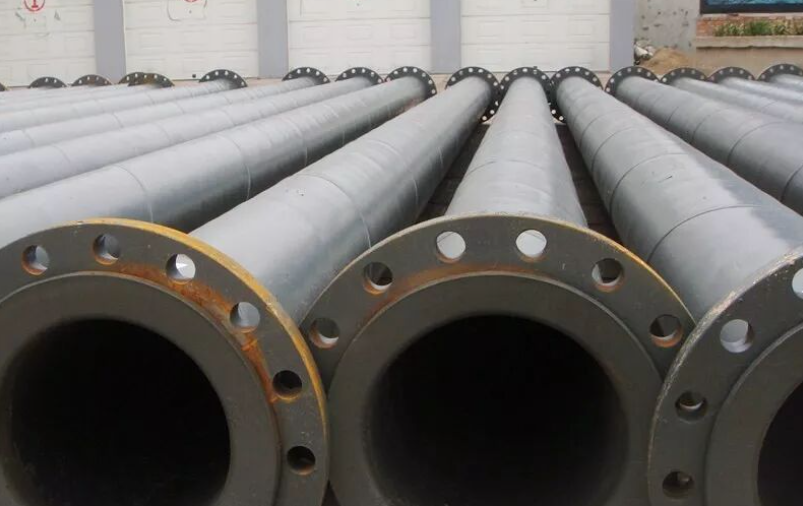
How to accurately select the right type?
While the application areas of the four types of plastic-lined steel pipes overlap, they are not entirely interchangeable. PP is primarily for medium-temperature industrial corrosion protection, offering better cost-effectiveness than stainless steel pipes; PE specializes in food, pharmaceutical, and municipal water supply, with hygiene certification being its core competitive advantage; PO covers a wide temperature range and negative pressure resistance, suitable for various industry applications; and F40 is positioned for extreme conditions involving high temperatures and strong corrosion. When selecting a type, priority should be given to confirming the medium composition, upper temperature limit, any hygiene certification requirements, and negative pressure conditions. The material should be chosen based on the most stringent operating parameters to avoid waste due to over-configuration or premature pipe failure due to under-configuration.